🧝♀️ Tips from an Editor in Chief of a Speculative Fiction Literary Magazine 🛸
Deciding to publish with a literary magazine is one of the best routes to get your writing out into the world. Whether you’re a seasoned writer or just starting your creative journey, there are hundreds of publications that are looking to share new stories.
Because of how exclusive the world of traditional publishing has become, many literary magazines have prioritized the voices of emerging and underrepresented writers and artists, making these platforms a great way to build up your portfolio.
As an Editor in Chief, I have the privilege of working behind the curtain in the world of literary magazines. Alongside my team, I get to determine the theme, advertise our submission window, and review, accept, and prepare contributors’ pieces for publication.
While I can only speak to my experiences, I do believe there are some universal truths that apply to this process, and I’d like to share some of these insights here to help fellow creatives.
#1: 🔎 Do Your Research
There are a countless amount of literary magazines to choose from when deciding where to submit your writing. Make sure that your piece aligns with the mission and vision of the magazine as well as the submission parameters and the theme (if there is one).
Through this research, you ensure that your piece will resonate with the editorial team, which is the ultimate make-or-break to whether your work gets considered.
When looking for literary magazines, social media can be a big help. If you’re not sure where to start, check out Chill Subs and Poets & Writers. Their databases contain a wealth of information for people looking to get their stuff published.
Some key steps you can take are:
- know the mission of the literary magazine
- read some of the previous issues to get a sense of their style
- double-check the submission guidelines
- understand how the theme (if there is one) fits with their mission
You want the team to read your piece and say “Yes, this is exactly what we are looking for.”
#2: 📝 Plan Ahead
While short stories, poems, or essays certainly take less time than a big book-length writing project, editors can tell when something was rushed. Gaps in the narrative, logical inconsistencies, poor sentence structure, and grammatical errors are all things that can pull reviewers out of your piece and put it aside in favor of another.
Giving yourself enough time to plan, write, edit, and possibly get feedback on your piece will ensure that what you submit is the best possible version. Often the windows for submission are quite tight, so dedicate blocks of time for sitting down and putting pen to paper.
Some literary magazines open submissions randomly. Others have structured, seasonal windows. When I’m researching what literary magazines I’d like to submit to, I mark these time periods in my calendar so I can work on the piece even before acceptance begins.
#3: 💭 Think Outside the Box
This piece of advice might come as a no-brainer, but creativity is key.
Storytelling has been going on for hundreds of thousands of years. No one is expecting that you’re going to come up with something wholly original.
However, if your story directly replicates a classic plot arc of another popular tale, chances are the editorial team will catch it.
You don’t want the submissions staff to think “Where have we heard/read/seen this before?”
As an example, let’s say you’re writing a speculative fiction piece that echoes themes of moral degradation and outward vs. inward beauty. This is a great theme that sparks deep critical thought and provides great fodder for an interesting story.
You wouldn’t want to write a piece that follows a young man who pursues a hedonistic lifestyle and wishes to remain eternally youthful. (So he sells his soul for a portrait/photo/statue/or other depiction of himself that will age and decay instead of himself.)
Sound familiar?
Even if you set the story in modern times, in a different part of the world, the plot points are too similar to Oscar Wilde’s classic novel.
Now, make the main character the artist, instead of the portrait’s subject. Set the story in Korea in 1935. Make the subject a woman who has commissioned that the artist paint her, but as if she were eighty years old. And create a mystery of all previous artists disappearing, with a ominous note left behind that says “Don’t finish the portrait.”
Then you’d have the Webtoon comic “Delusion” by Hongjacga, an original take on The Picture of Dorian Grey that explores the same themes but from a new angle.
So spin something, twist something, choose a new perspective, flip it on its head. There’s no limit to the possibilites.
#4: 🗣️ Get Feedback
Stories don’t get told in a vacuum. They are a universal human experience, and when pieces are submitted for publication, it is hoped that other people will read them!
Before your work reaches an editorial team, it should ideally pass through at least one other set of eyes. This doesn’t mean you need a formal critique group or a paid editor (though those can be wonderful resources). It simply means that someone besides you should read the piece and respond to it.
As writers, we are often too close to our own work. We know what we meant to say, but that doesn’t always translate to what’s actually on the page. A trusted reader can help you identify:
- unclear plot points
- confusing transitions
- moments where the emotional impact falls flat
- dialogue that sounds unnatural
- inconsistencies in worldbuilding
- places where you may have overexplained (or underexplained)
If a piece hasn’t been workshopped at all, the writing can fall short due to brilliant ideas being buried under small, fixable issues. Getting feedback before submission doesn’t just strengthen your piece, it shows professionalism. It tells us you care about craft.
And perhaps most importantly, it helps you grow.
Every thoughtful critique is a stepping stone toward stronger storytelling.
#5: ✏️ If at First You Don’t Succeed, Write, Write Again!
Rejection is part of the literary magazine world. Full stop.
Even excellent pieces are turned away, not because they aren’t good, but because they aren’t the right fit for a particular issue, theme, or editorial direction. Sometimes it comes down to space. Other times two pieces are very similar and only one can be accepted. Sometimes a story is strong, but just not quite there yet.
A rejection is not a verdict on your talent.
In fact, persistence is one of the defining traits of successful writers. Many published authors collected dozens, sometimes hundreds, of rejections before seeing their work in print.
If your piece is declined, put it aside for a bit. Come back to it when you’ve had a break and reread it with fresh eyes. Send it to a friend, a writer, or another reader of the genre to give you a different perspective. You might be able to add some revisions that strengthen in.
Then, keep an eye out for other publications where it might be a good fit.
In the meantime, start something new.
The worst thing you can do is stop writing.
Literary magazines are always looking for fresh voices. The more you write, revise, and submit, the more you refine your craft…
…and the more opportunities you create for yourself.
✔️ Just Do Write It
Submitting to literary magazines can feel intimidating. But behind every submission portal is a team of people who love stories just as much as you do.
As writers, readers, and publishers, want to discover new voices. We want to be surprised. We want to fall in love with a piece at 11:47 p.m. when we told ourselves we’d stop reading at ten.
Do your research. Plan ahead. Take creative risks. Seek feedback. Keep going.
The literary world is vast, and there is room in it for your story.
Now go write it!
~ A.K. Aspen 🔮
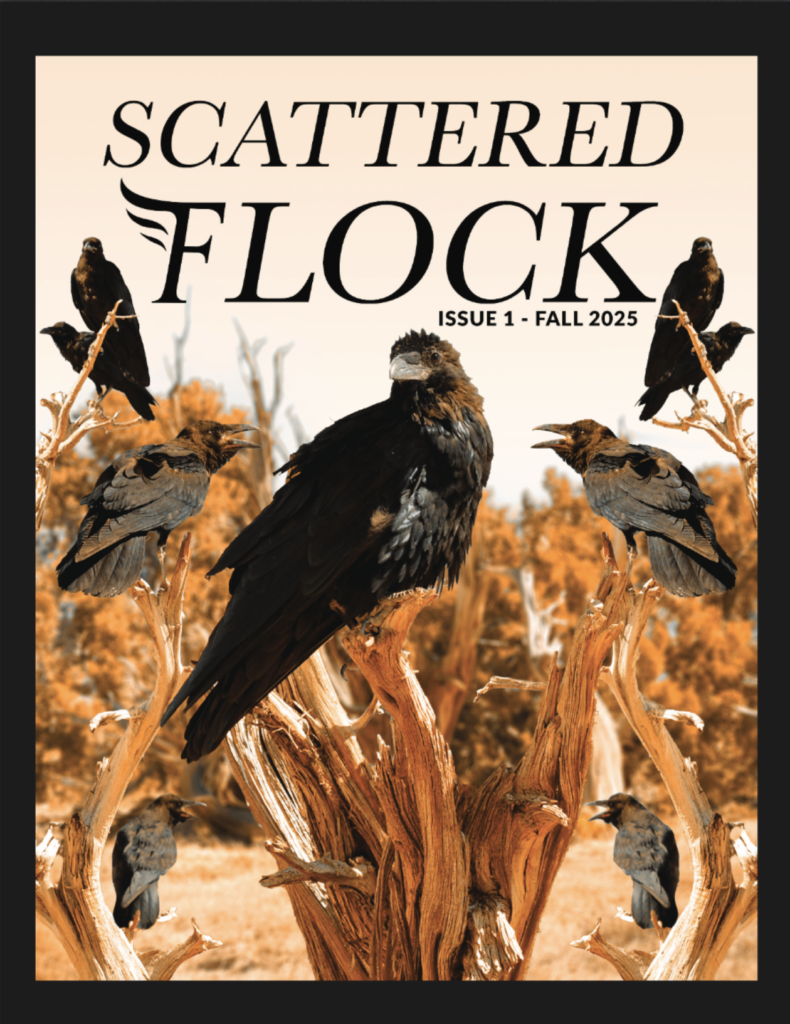
P.S. If you’re a creative in the world of speculative fiction, be sure to check out the digital literary magazine I help run, Scattered Flock Journal. We are always looking for new short stories, opinion essays, academic articles, and artwork, and we published twice a year!