
As a genre fiction editor, fantasy and sci-fi academic, and writer myself, worldbuilding is probably one of my favorite aspects of the speculative genres. The possibilities are endless. A purposeful and intriguing setting truly sets up a plot and its characters for success in ensuring an engaging story.
What exactly does worldbuilding entail? The craft of creating new universes for your characters is a deep process that delves beyond what is observable, but what is impactful. It includes geography, climates, flora and fauna, cultures, societies, governments and politics, economics, technologies and science, magic systems and the supernatural, religions, traditions, and a history of the world that explains how and why these aspects came to be.
Due to its complexity, worldbuilding can be a particularly difficult aspect for fantasy and sci-fi writers to smoothly incorporate into their stories. Done well, this highly creative aspect of speculative fiction pulls readers in, gripping them in its realism. However, when done poorly, worldbuliding can make readers pause in confusion and drive them to put down the book.
In this post, I will be exploring the most common worldbuilding mistakes I see fantasy and sci-fi writers make. While these flaws are prevalent, they are very fixable!
I’ll be providing some tips and tricks for how to spot these areas of weakness and the steps you can take to sharpen your worldbuilding.
~🌟 Want to watch my YouTube video on this topic? 📹 Check it out here! 🌟~
Let’s dive in!
#1: The Information Dump
This is one of the most common mistakes I see, and honestly, one of the most understandable ones. You’ve put an enormous effort into building your world. You want your readers to understand it and be as immersed in it as you are. So you explain it—the history, the magic rules, the political factions—right there in the first chapter.
The problem is that readers don’t need to understand your world before they care about it. They need to care first, and the best way to do that is through character. Once they’re invested in someone, the world’s details become interesting because they matter to that person. Delivered before that investment exists, it’s more like reading a history textbook… Not so exciting.
Think of it this way: worldbuilding details should be earning their place on the page. A good gut-check is to ask whether each detail is raising tension, revealing character, or deepening a scene already in progress. If it isn’t doing any of those things, it probably doesn’t belong there yet, so save it for when it can do some work.
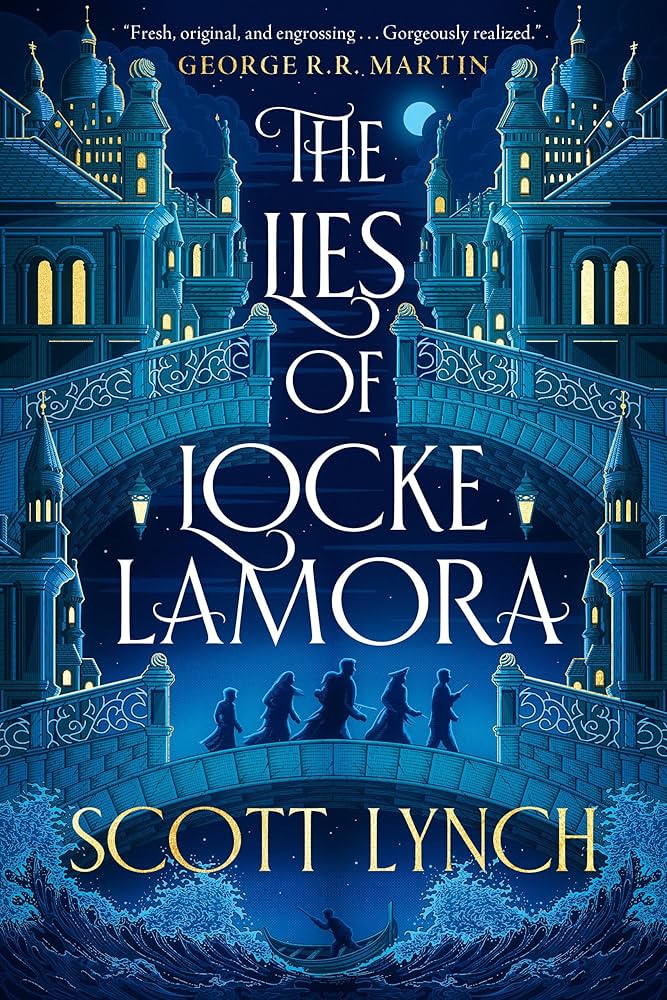
Done well: Scott Lynch’s The Lies of Locke Lamora is a masterclass in this. The city of Camorr is intricate, with its own criminal heirarchy, economy, social codes, and history, but Lynch never stops the story to explain any of it. You absorb the world through what the characters do and say, through the details that surface naturally in scenes that are already doing something else. The worldbuilding is always working, but it never feels like work to read and process.
#2: Terminology Overload
This one is sneakier than the info-dump because it doesn’t arrive all at once. It creeps in gradually: an invented term here, an unexplained proper noun there, a reference to an event the reader has no context for yet. Each instance feels small on its own. Forty pages in, the accumulation becomes exhausting.
Every unfamiliar term you introduce is asking your reader to hold onto something without knowing whether it will pay off. Readers are willing to do that, but only so many times. When too many terms go unexplained or unused, readers stop trusting that the effort will be rewarded. That’s when you lose them.
The fix is to be ruthless about which invented terminology you actually need. Your world probably needs the things those terms describe, it may not need a made-up word for all of them. And when you do introduce new terms, let the meaning build through context before you define anything outright. If a reader can figure out what a word means from how characters react to it, you’ve done it right.
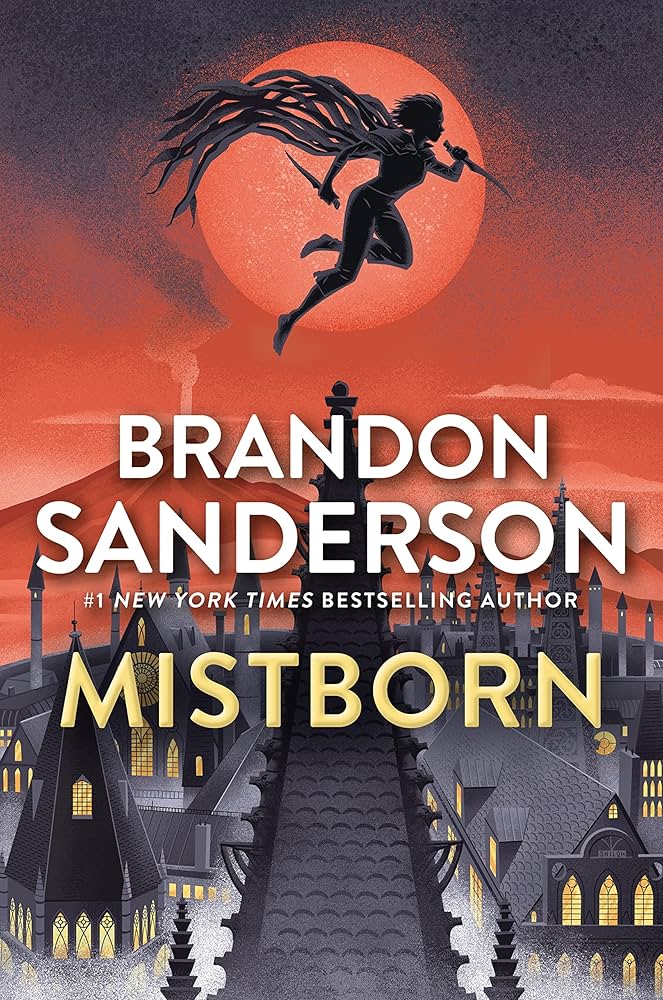
Done well: Brandon Sanderson handles this really well in Mistborn with the word “skaa.” He never stops to define it. Instead, you learn what it means through action. Skaa sleep in barracks. Skaa don’t meet nobles’ eyes. The meaning builds naturally, so by the time any explanation arrives, it’s just confirming what you already know. It’s a simple technique but an incredibly effective one.
#3: The Derivative World
You’ve seen it before: medieval Eurpoe with elves, the magic academy where teenagers discover their powers, the fae court of beautiful and treacherous immortals, the teen battle royale where society is divided into factions or districts or houses. These are familiar frameworks, and they’re familiar for a reason. They’ve produced some genuinely great books.
They’ve also produced a lot of forgettable ones. And when a story doesn’t land, the worldbuilding is often why. When a setting is built mostly from pieces readers already recognize, the world stops creating any sense of discovery. It confirms what’s already expected instead of revealing something new.
This isn’t about avoiding familiar structures altogether. Tropes and archetypes are useful foundations. The issue is when they become the destination rather than the starting point. A helpful question to keep coming back to is: What happens in this world that could only happen here? If you’re struggling to answer that, it’s worth pushing the worldbuilding further before you start drafting.
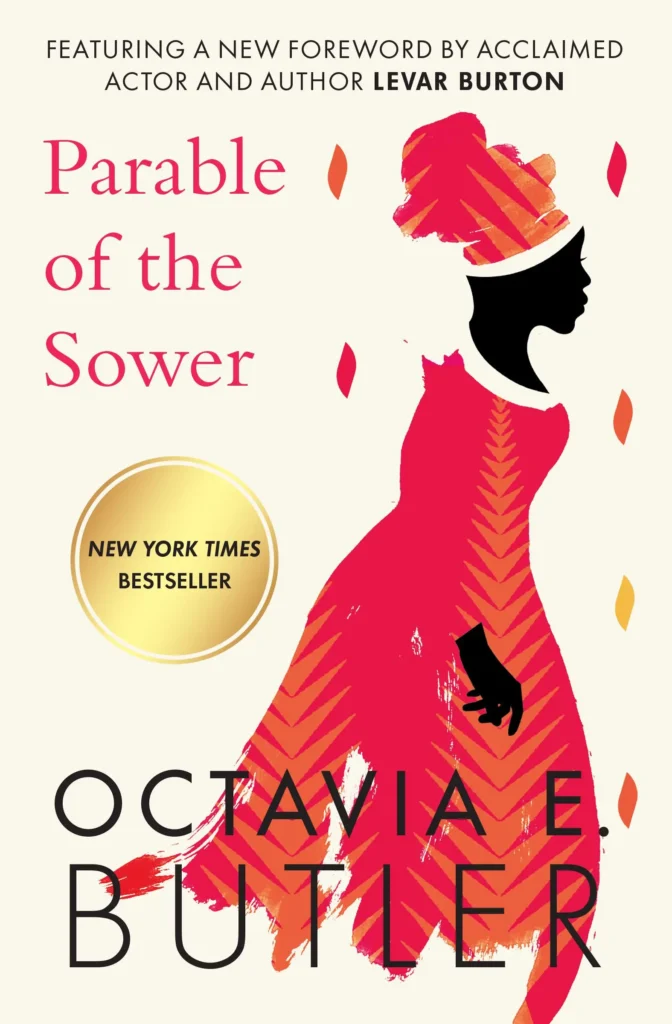
Done well: Octavia Butler’s Parable of the Sower is a powerful example of this. Butler takes the post-apocalyptic setting with a familiar plot framework and grounds it in ways that are new. There’s the recognizable, overarching plot of societal collapses featuring a protagonist who struggles to survive and lead others through a dangerous landscape. But these tropes are transformed through specific, extrapolated real-world systems, in race and class and climate and politics. The result is a story that feels completely inevitable rather than generic.
#4: Unused Worldbuilding
This mistake comes from a place of genuine dedication, which is what makes it so easy to miss. You’ve worked out the trade routes, the full political history, the way magic interacts with different materials. Your world is detailed, consistent, and deeply imagined. But when you look at your actual story, none of that detail is showing up in any scene in a meaningful way.
Worldbuilding that doesn’t connect to your story isn’t really worldbuilding for your reader — it’s worldbuilding for you. And while that kind of deep background work can be valuable for your own understanding of the world, it needs to eventually find its way onto the page in a form that does something. The history you spent weeks developing should be creating conflict. The magic system should be generating plot problems. The economic logic should be shaping what your characters can and can’t do.
A simple gut-check: if you could remove a worldbuilding element entirely and nothing in your story would change, it hasn’t been integrated yet. That doesn’t necessarily mean cut it — it means find the place where it needs to matter.
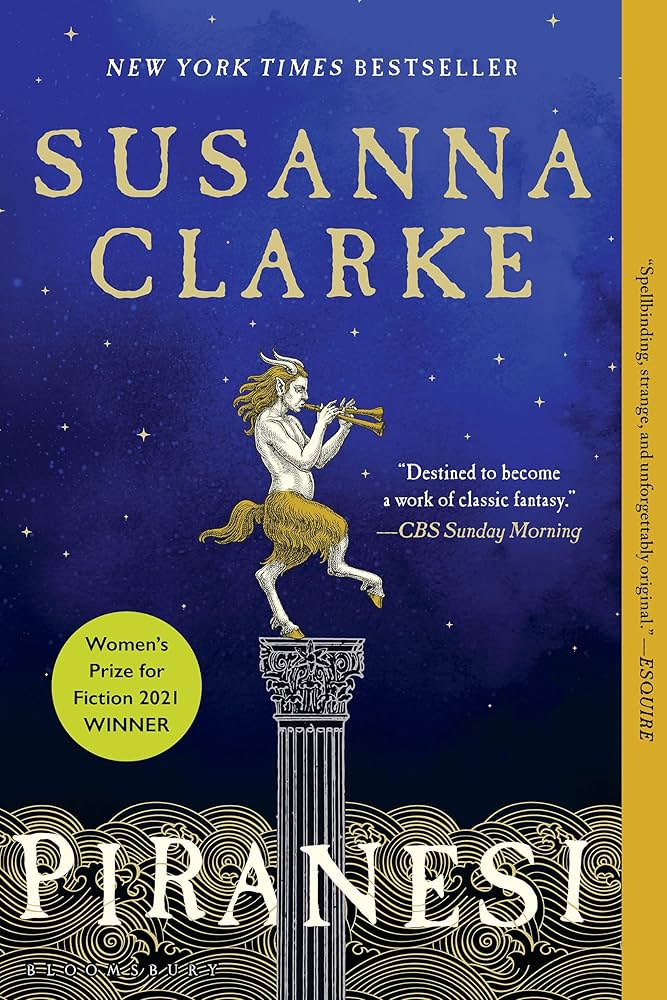
Done well: Susanna Clarke’s Piranesi is a beautiful example of this. The House—an infinite, labyrinthine world of halls and statues and tides—is strange and deeply detailed. However, every single aspect of it is doing narrative work. The layout of the halls shapes how Piranesi moves through the story. The tides create real constraints. The statues carry meaning that unfolds as the plot does. Nothing in that world exists just for atmosphere (though the atmosphere is absolutely captivating). It’s all connected to something that matters.
#5: Toothless Worldbuilding
This is different from unused worldbuilding. The elements are there: the political system is mentioned, the geography is described, the economic realities are acknowledged. Things are even happening with them. There’s political upheaval in the background, resources are scarce, the journey is supposed to be dangerous.
But somehow, none of it is actually landing on your main characters. The world has consequences, just not for the people your story is about.
This is one of the trickier mistakes to spot because it can look like good worldbuilding from a distance. The infrastructure is there, but when you look closely, your protagonist is moving through a dangerous and complex world almost frictionlessly, while the systems that crush everyone around them keep sliding off. The oppressive regime is a real threat, until your main character needs to get past it. Resources are scarce, except when your protagonist needs them. The world bites, just not where it counts.
A good gut-check: Are the forces I’ve built into this world actually shaping my main characters’ choices and limiting their options?
If your protagonist would make the same decisions regardless of the political climate, the economic reality, or the geography, the world isn’t doing enough work for them specifically.
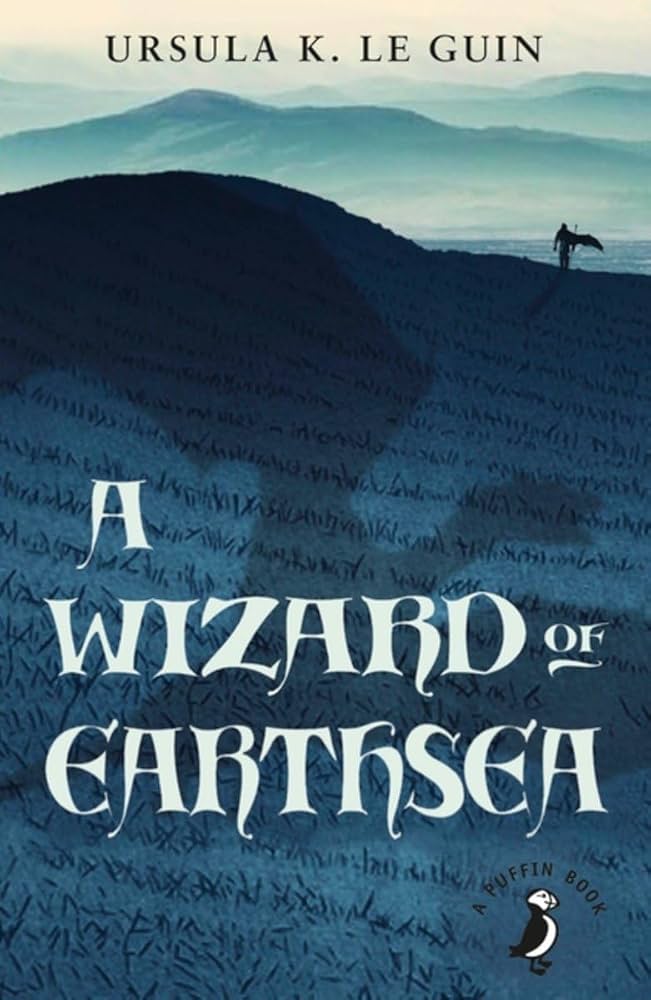
Done well: Ursula K. Le Guin’s A Wizard of Earthsea gets this exactly right. The Archipelago isn’t just a backdrop. It shapes Ged directly and personally. The social hierarchy of Roke bears down on him. The consequences of his pride follow him across the world in a way that the world itself makes possible and inevitable. The sea, the distances, the rules of magic…none of it moves aside for him. He has to reckon with all of it, and that reckoning is the story.
Worldbuilding is one of the most rewarding parts of writing speculative fiction, but it’s also one of the easiest places to lose the thread between the world you’ve built and the story you’re telling. The good news is that all five of these mistakes come down to the same underlying question:
Is my worldbuilding serving my story and my characters, or is it serving itself?
Keep asking that question as you draft and revise. When your world details are earning their place on the page, anchored in character, generating real consequences, and pushing back against the people moving through it, readers will feel it.
That’s when worldbuilding stops being a backdrop and starts being the thing that makes your story impossible to put down.
These are fixable problems, and recognizing them is already half the battle. Happy building!
~ A.K. Aspen 🗺️